Cécile

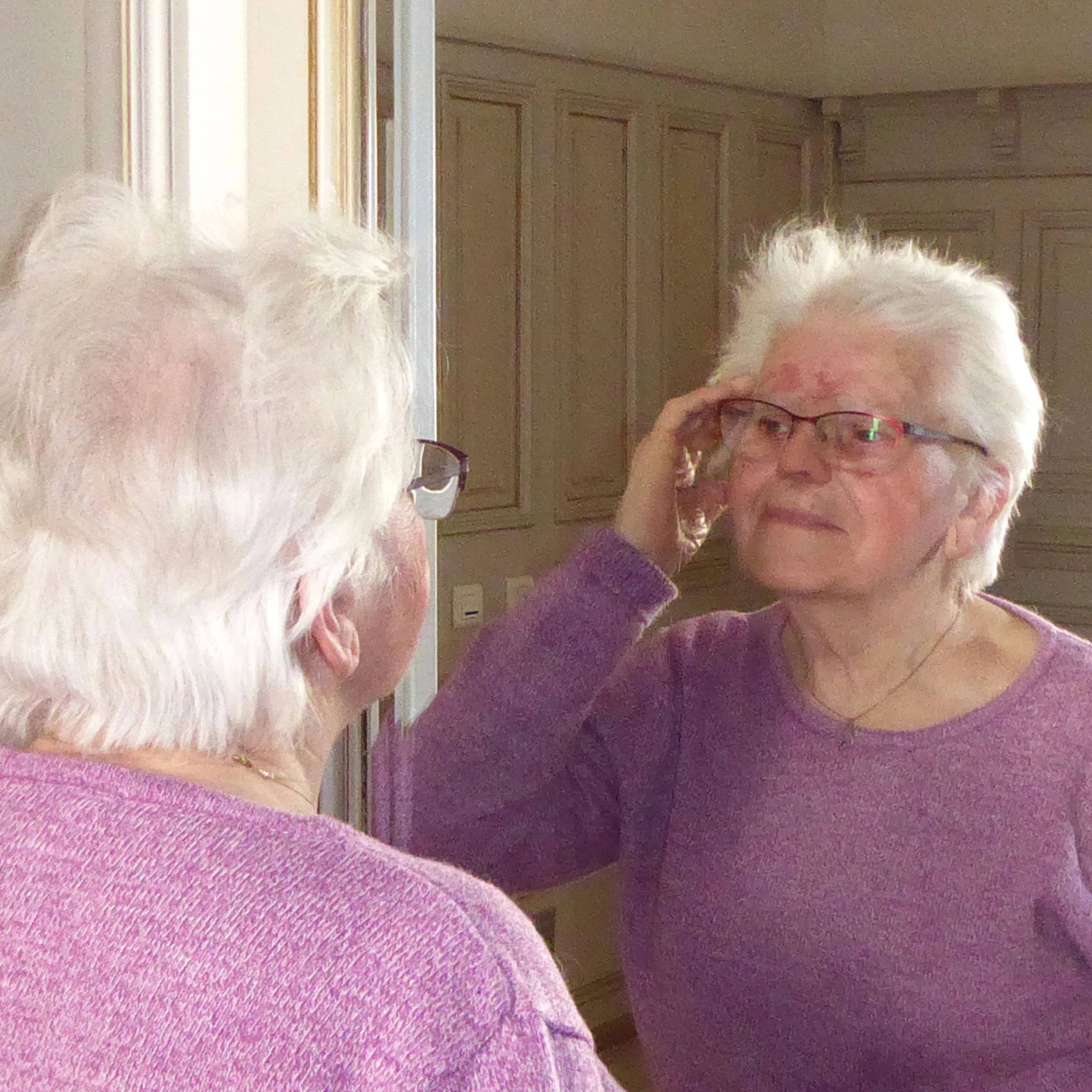
Cécile discovers herself in the mirror with her new prosthesis.

Nasal prosthesis, attached using magnets

“I was frightened of having a nose that wasn’t my own.

After meeting Ms Riedinger, I felt more confident. You took the time to explain to me all the different stages and you showed me models of prostheses. When I saw my temporary prosthesis, it helped me go through the ordeal of having my nose removed with greater serenity.

The only disadvantage of having a prosthesis fixed with adhesive is cleaning the adhesive off the mucous membranes and sometimes the staying power of the adhesive, which can vary from one day to the next. On the other hand, from an aesthetic point of view, it’s quite amazing. You can only see the difference if you look at it very, very closely.

A few months later, once the abutments have been fitted, I received my nose which was clipped on using small magnets. From an aesthetic point of view it was just as amazing as the prosthesis fixed with adhesive. So what is the difference? My new prosthesis is practical – I can put it on and take it off really quickly. In terms of comfort, it is perfect – so much so that I have already forgotten to take it off when I take my shower because I’d forgotten I was wearing it.

Thank you Anne-Marie Riedinger for having all this expertise and such artful fingers. I hope this little testimonial will encourage other people to benefit from your tremendous know-how. I sincerely thank you for your remarkable work. Thank you so very, very much.”
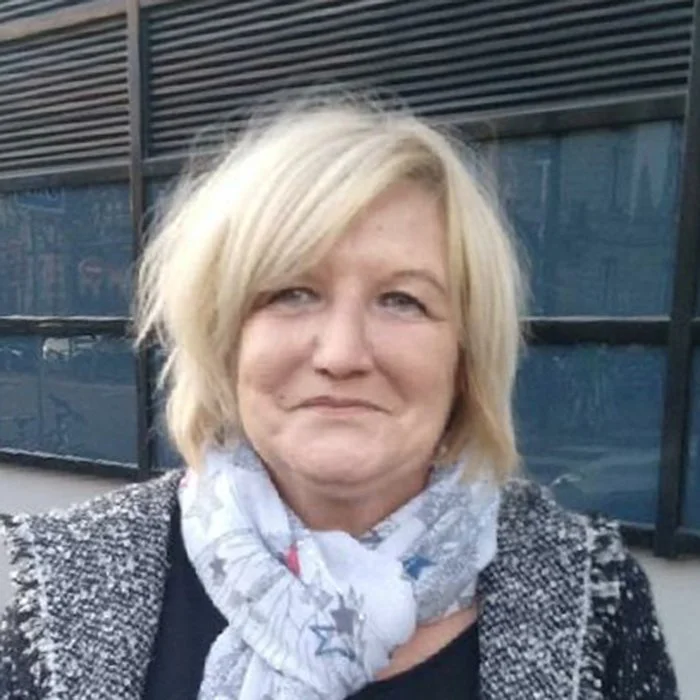


Christiane

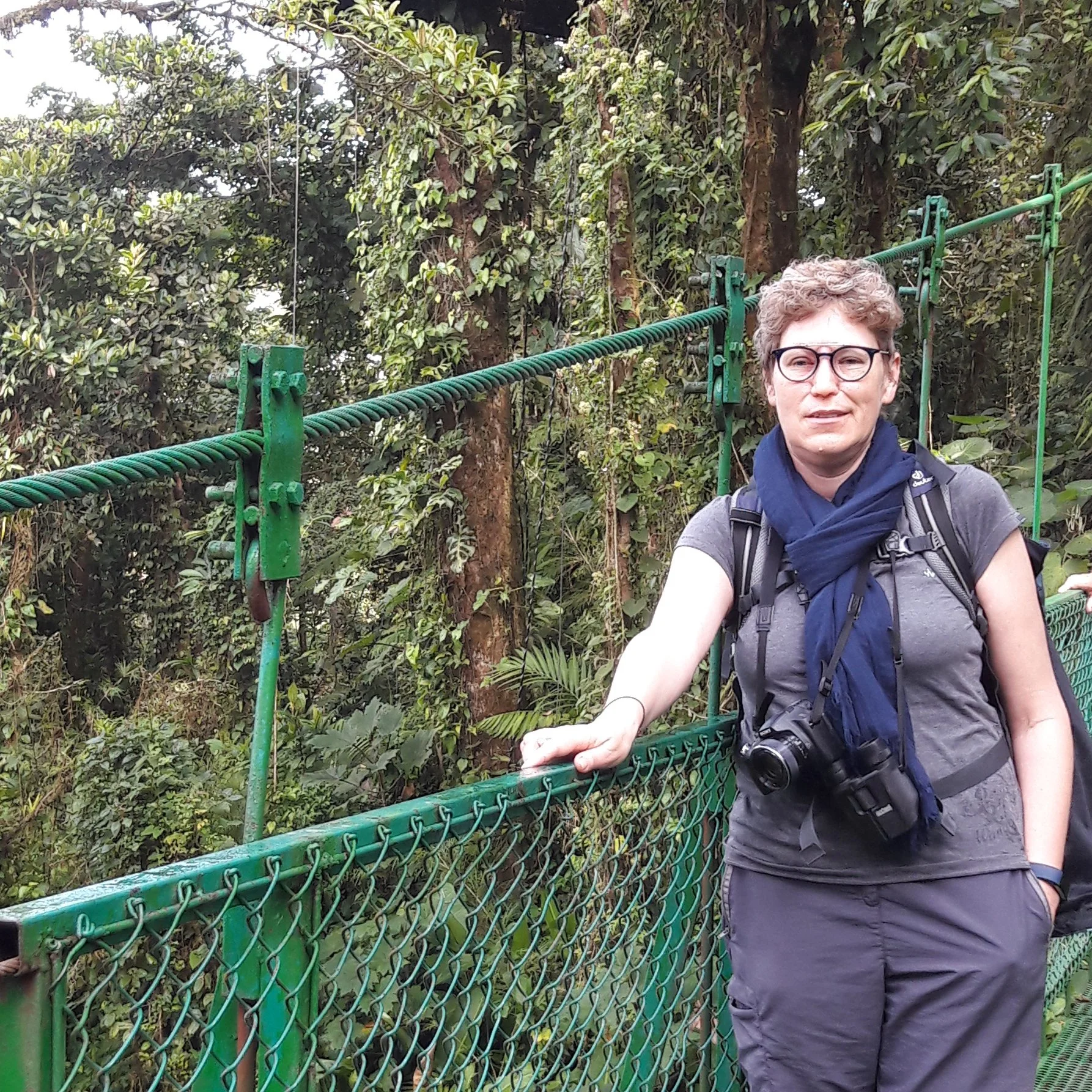
Christiane in Costa Rica.

Nasal prosthesis, attached using magnets

“In 2014, I was diagnosed with cancer of the nasal wall.

Despite intensive treatment, it came back in 2017.

In 2018, when it came back for the third time, Professor Debry told me it was preferable to proceed with a total ablation of the nose. Of course, I immediately asked him how it could be reconstructed. He explained to me that it would be very complicated and would need several surgical interventions and that the result might well be very disappointing. In addition to the shock of finding that my cancer had returned, I had to cope with the idea that I was going to lose my nose for ever. It was then that he spoke to me about prostheses on implants. And that was how I came to know Anne-Marie Riedinger and Michèle.

The warmth of their welcome, their professional attitude and their reassuring words helped me overcome my anxiousness. The operation went well, and the implants were fitted at the same time. I recovered quite quickly and could take up my “normal” life again, but because of the radiotherapy I couldn’t have my prosthesis straightaway. So how can you live “normally” with your nose covered by a dressing? As soon as I left my house, I would be on the alert. When I met someone I would turn my head away, I wanted to disappear.

When I received my prosthesis, I quickly realised that most people didn’t even notice I had one, especially when I was wearing my glasses. I no longer needed to go shopping just as the shops open their doors to meet as few people as possible, or to walk my dog at dawn. I rediscovered the pleasure of going out to a restaurant with my friends and the joys of going on shopping sprees (oh, my poor credit card). But not everything is easy, even if the prosthesis has given me back a social life. I still can’t quite get my head round it. It’s the symbol of my illness and my mutilation. But it is also my ally in my new life.”


Dominique

Dominique in front of her workplace.

Nasal prosthesis, held in place by biological adhesive

“I was 60 when my life turned upside down, when Dr Floret from Minjoz Hospital in Besançon told me I had cancer of the nose. I had to accept that they were going to remove it and that I would no longer have a nose. I didn’t have a choice.

After the operation, I had radiotherapy and I was quickly directed towards the anaplastologist, Anne-Marie Riedinger. She assured me they could do something that would look really good and I had total confidence in her. She didn’t keep anything from me. However, I was still venturing into the unknown. I had no idea of all the steps that were necessary just to make me a nose. I was impressed by the 3-D model of my face on which my nose had been modelled. I was also surprised by the mixture of all those colours needed to reproduce my skin.

On the day I received my prosthesis, I had an emotional shock. It was only at that moment in time that I realised I would never have my own nose again, that it would be a prosthesis for life!

Now, as the days go by, thanks to my prosthesis, I can live with a nose, I am just like everyone else! You need time to adapt and to rebuild yourself morally and physically. The first month after receiving the prosthesis was hard. I was nervous of other people looking at me, but I realise that most people couldn’t see that I was wearing a prosthesis - even those who knew I had been ill. But everything is fine now and I think I look good. I put eye make-up on and I wear glasses for their aesthetic touch. I switch around the colours, and I feel pretty again.”


Jacques

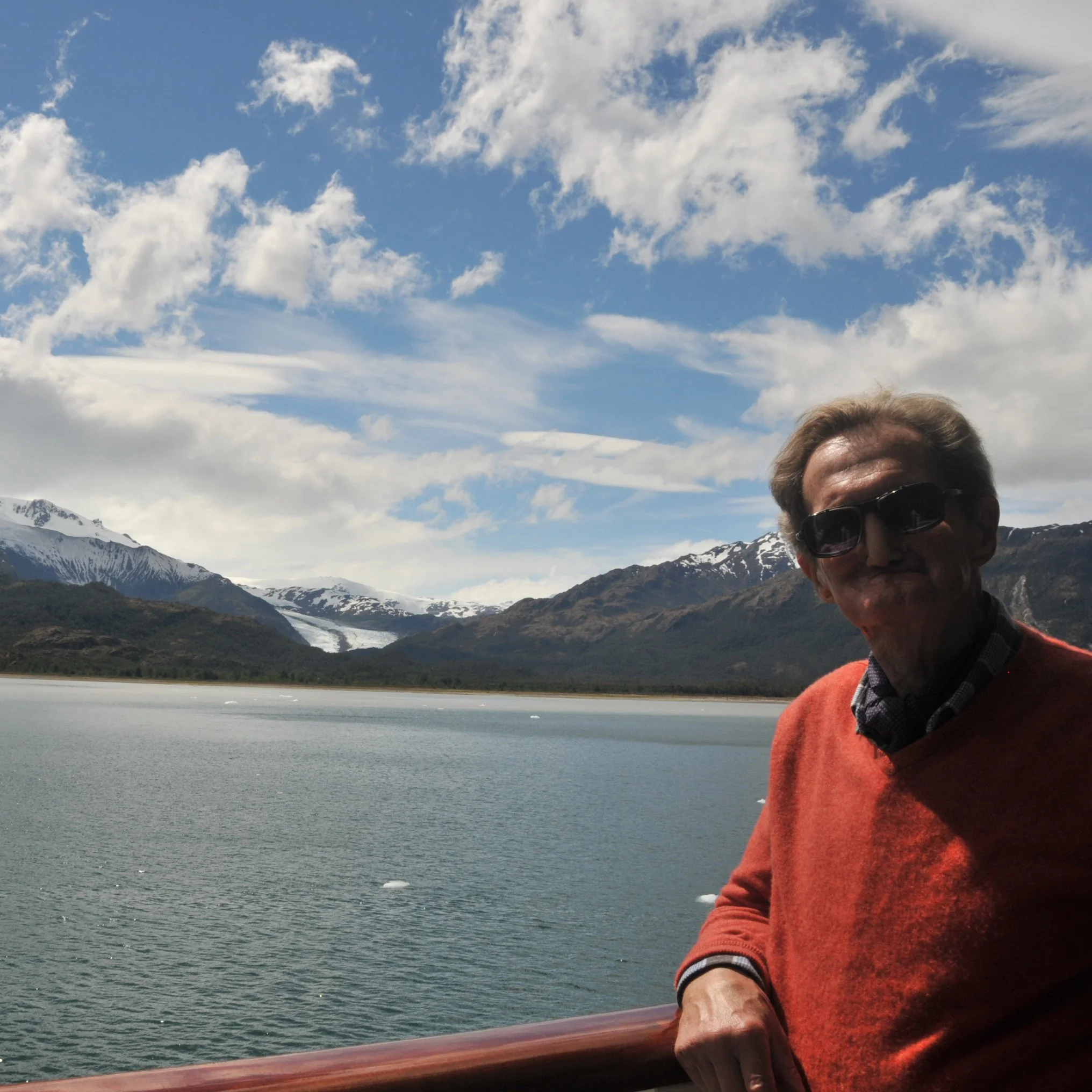
Jacques on his travels to the ends of the Earth in Patagonia.

Nasal prosthesis, mixed anatomical and frame retention system

“I’ve worn a nasal prosthesis for 12 years following rapid onset cancer of the face, which led to a number of operations and mandibular reconstruction.

After various attempts, the best solution was to attach a nasal prosthesis to my glasses frames, glasses that were chosen with great care.

Thanks to this prosthesis, I can lead a normal life, play tennis, travel to far-off countries and accept other people looking at me with a minimum of complexes.”

Note by the anaplatologist:

“Parisian Jacques is a likeable and demanding patient. He used to wear a prosthesis fixed with adhesive which didn’t satisfy him from an aesthetic point of view and which didn’t stay well in place. His surgeon, Dr Kolb from Institut Gustave Roussy, addressed him to me. For this complex case, surgical reconstruction was not an option and the bone graft was too fragile for implants to be set in place. We made a new, improved prosthesis attached by adhesive which was more aesthetic and had anatomical retention points in the cavity. But our patient was very active and the prosthesis did not last for long. We came up with an alternative mixed solution and we made him a prosthesis attached with magnets on glasses frames together with anatomical retention points. This means the prosthesis is not permanently attached to the glasses frames, which is more practical for cleaning the lenses and our patient can lead his active life much the same as he did before.”


Marguerite

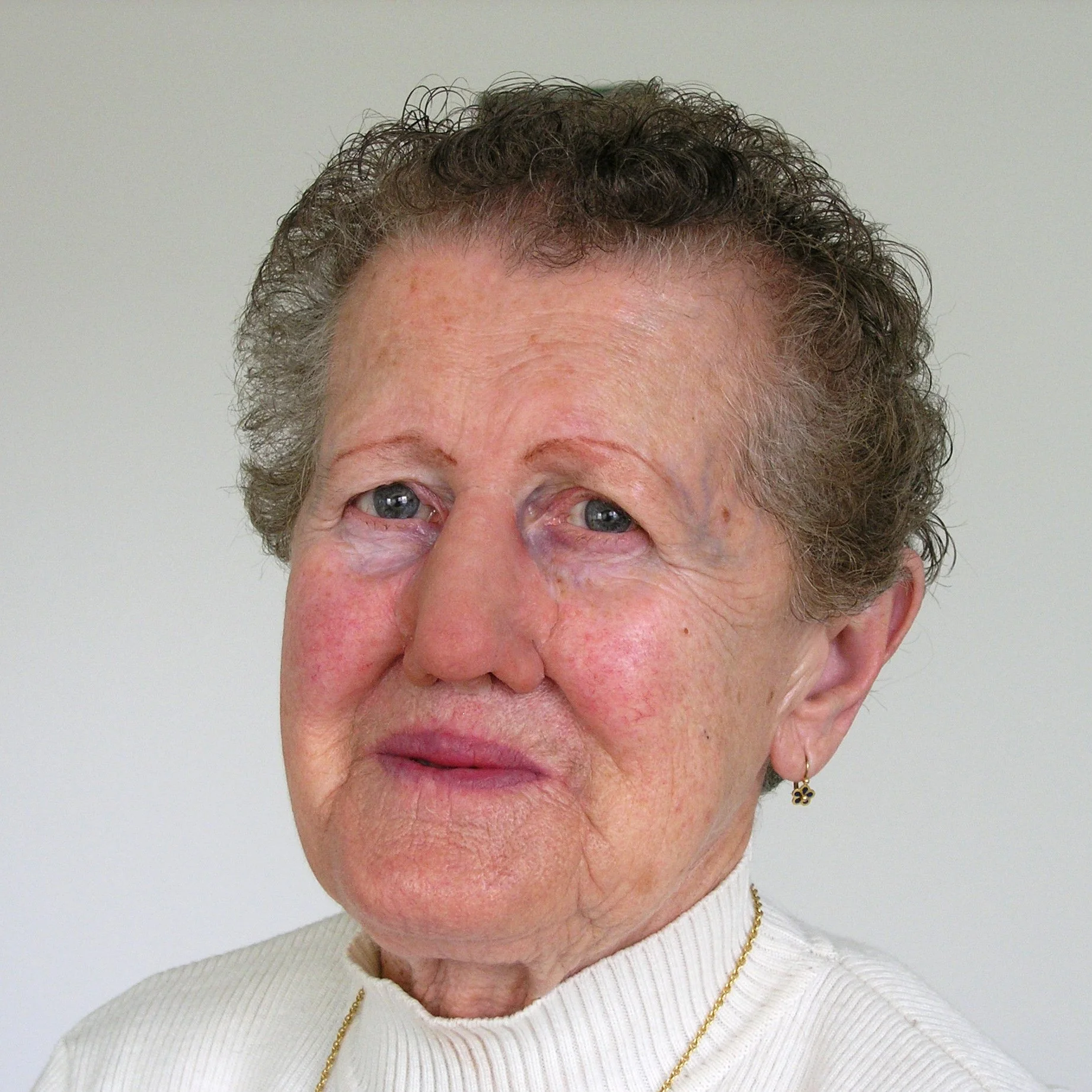
Marguerite, in 2017 at the age of 92.

Nasal prosthesis attached using magnets

“In 2006, a little spot appeared on my nose and it wouldn’t go away. I went to see two different dermatologists. The first one burned the spot with nitrogen and the second prescribed me a cream, without doing a biopsy. Three months later, the spot started bleeding for the first time. It was cancer.

I underwent a maxillofacial surgical operation, but after several attempts at grafting, there were still some cancerous cells. Dr Barrière had to proceed with the total ablation of the nose. After the operation, I was introduced to one of Anne-Marie Riedinger’s patients, who was already wearing a nasal prosthesis and that encouraged me to contact her quickly.

During my first appointment, I had brought photos of me before the operation. I took my courage in both hands and I told the anaplastologist that before the operation I had had a very long, wide nose and that she could quite happily shorten it! That made her laugh quite a bit and now, with my prosthesis, my nose is more beautiful than before!

To start off with, I had a prosthesis fixed with adhesive in April 2007, but it was complicated to put on and look after, and I was allergic to the adhesive. I didn’t want to have any more operations, but my daughter insisted and Dr Hémar fitted me with implants. After two operations, I had my prosthesis attached using magnets in December 2008.

Since then, my prosthesis holds on better and is much more comfortable than the solution with adhesive. When I just had a dressing on my nose, I was afraid to go out much. I was restricted in my movements and what I could do. Having a prosthesis has enabled me to get going with my life again and to have the courage to go out once more. I have kept my independence, I drove a car until the age of 89 and I still look after my big garden all by myself! I feel good and I often say to Ms Riedinger: What would I do without you and Dr Hemar? What would I have done without a nose? It is wonderful that she should live so close by.”